Hard water in Sheboygan, WI
Reported by Sheboygan Water Utilities · November 2025
- WI typical
- 170 mg/L
- EPA health violations since 2016
- 0
- Softener for 3 people
- 24k grain
- Data
- Utility report
Tap water in Sheboygan has about 202 mg/L of hardness, which is 11.8 grains per gallon. On the USGS scale that counts as very hard. The number comes from Sheboygan Water Utilities, dated November 2025. Reports for this system disagree, with values from 202 to 390 mg/L.
Sheboygan sits 32 mg/L above the typical Wisconsin figure of 170. Of the 10 nearest cities we track, 3 have softer water and 7 have harder. The range nearby runs from 136 mg/L in Two Rivers to 485 in Slinger.
What 202 mg/L means at home
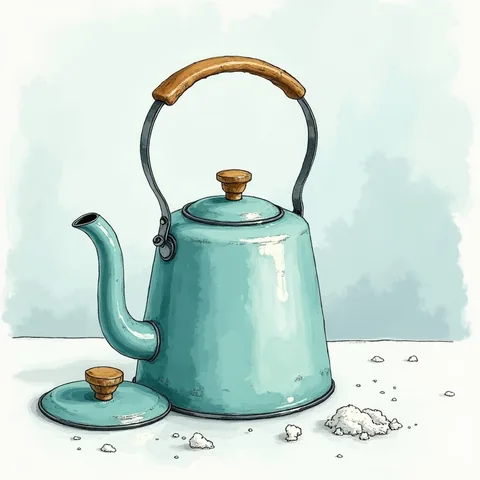
Scale forms fast here. Kettles and coffee makers need regular descaling, and showerheads clog unless you clean them.
Tank water heaters collect mineral sediment that insulates the water from the burner, so flushing the tank matters more than usual.
Dishes and glass shower doors spot easily. Soap scum and a dull film on hair or laundry are common complaints.
Hardness is not a health problem, and EPA sets no limit for it. It is a matter of scale and soap.
What to do about it
At 202 mg/L most of the trouble is scale, and only a few things deal with it.
Ion-exchange water softener
The standard whole-house fix. It swaps calcium and magnesium for sodium or potassium and needs salt plus a drain. Size it with the calculator below.
Salt-free conditioner
No salt and no drain line. It changes how minerals form scale instead of removing them, so water still tests hard.
Reverse osmosis or carbon filter
Under-sink reverse osmosis removes minerals from drinking water only. Plain carbon filters improve taste but do not soften.
3 people × 75 gallons a day × 11.8 gpg = 2,657 grains a day. A 24,000-grain unit regenerates about every 9 days.
EPA record for Sheboygan's water system
No health-based violations since 2016
Serves about 49,931 people from surface water.
- Health-based
- 0
- Monitoring or reporting
- 4
- Open now
- 0
Health-based means a contaminant above its legal limit or a missed treatment step. Monitoring and reporting violations are late or missing tests and notices. Source: EPA ECHO, 2026Q3 export, violations with periods starting 2016 or later. Full EPA record.
Questions
Is Sheboygan water hard?
Yes. It measures about 202 mg/L (11.8 grains per gallon), which the USGS classes as very hard.
What is the water hardness in Sheboygan in grains per gallon?
About 11.8 gpg. One grain per gallon equals 17.1 mg/L, so 202 mg/L divided by 17.1 gives 11.8.
What size water softener do I need in Sheboygan?
For 3 people using 75 gallons each per day, 11.8 gpg works out to about 2,657 grains a day. A 24,000-grain softener covers that with a regeneration about every 9 days.
Has the Sheboygan water system had EPA violations?
EPA records show no health-based violations for Sheboygan Water Utilities since 2016. There were also 4 monitoring or reporting violations, which are about late or missing tests and notices.
Nearby cities
- Manitowoc156 mg/LHard
- Two Rivers136 mg/LHard
- Grafton370 mg/LVery hard
- West Bend340 mg/LVery hard
- Cedarburg400 mg/LVery hard
- Fond du Lac170 mg/LHard
- Jackson352 mg/LVery hard
- Slinger485 mg/LVery hard
- Mequon440 mg/LVery hard
- Germantown422 mg/LVery hard
Hardness data: TapWaterData US Water Hardness (utility report, November 4, 2025), CC BY 4.0. Population: US Census Bureau. Violations: EPA ECHO. How we use them.